The genesis of this post was a few months ago. I was speaking with a friend who is not a hiker. She would sometimes describe herself as “allergic to the outdoors”. She asked me what I would do if I or someone near me had a medical emergency while out on the Appalachian Trail. Without really thinking, I quickly replied, “Oh, I don’t know, just die I guess. LOL.” She wasn’t really satisfied with that answer and pressed me further. I thought about it and mentioned how I knew some basic first aid and used to have a CPR certification like twenty years ago. I could probably sham my way through whatever came up. She still wasn’t satisfied, but we changed topics.
A few weeks later I was having a chat with a different friend who is definitely of an outdoorsy persuasion. I casually asked him about medical emergencies. Without hesitation, he said I should look into a wilderness first aid course. He said it would go over exactly the kinds of things that could save my life or someone else’s in an “oh shit” type of situation. I asked if he had any recommendations on how I could take this course.
“You can find it at lots of different places. A place like Red Cross is good. For the best though, you need to look into knulls.”
It wasn’t until a few days later that I bothered doing my own research and realized that what he actually said was NOLS. National Outdoor Leadership School. They offer a myriad of courses about the outdoors and all sorts of outdoors-adjacent things, and have for over 60 years. That last sentence sounds like they are sponsoring this post, but my bank account assures you they are not. What they are, however, is one of the best reviewed companies I saw that offers wilderness first aid. That plus my friend’s glowing recommendation plus the fact that I discovered they were holding a class in Austin in late September made it a no-brainer that I signed up.
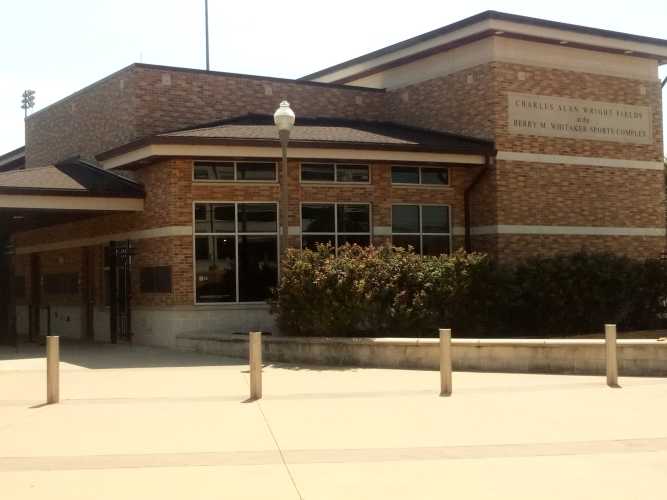
Therefore on September 26th, while most of Austin was either sleeping in or beginning to pre-game before the big football game against Tennessee, I got up early and went to a classroom located on the Forty Acres. We met up at Wright-Whitaker Sports Complex to learn all about how to perform first aid where 911 doesn’t travel. The course was 16 hours and took the whole weekend.
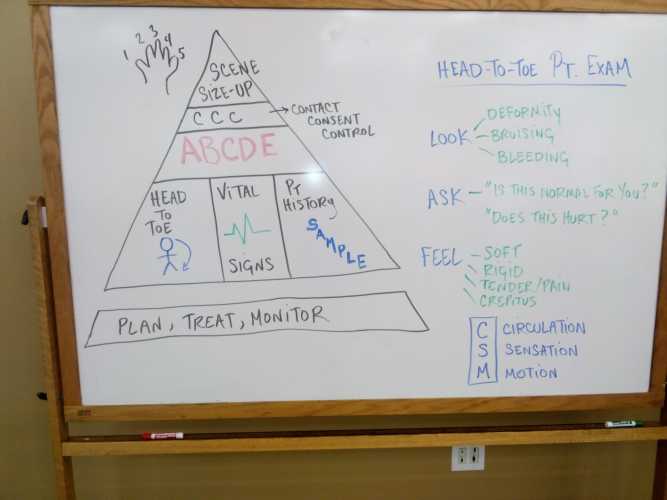
Day one we mostly spent learning and practicing the patient assessment system (PAS). PAS is a series of methodical steps to protect yourself, evaluate a situation fully, and formulate a plan of attack. It is the backbone of wilderness first aid. Every patient is entitled to a head to toe assessment.
A large portion of PAS is how to read your patient and their body. Understand what they are telling you and ask the right questions to get them to tell you important things you need to know that they don’t know to initially tell you. Also how to read an unconscious patient and their environment to see what might have happened to them.
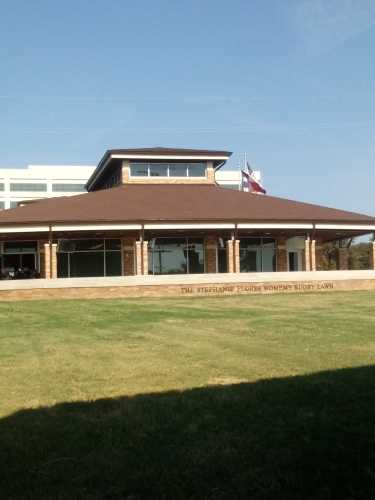
We repeatedly rehearsed how to assess patients on the lawn behind the classroom. Fortunately, there was shade back there and it did not rain all weekend. But we had all brought rain gear in case it had.
The following day, instead of prepping for the final day of the MLB regular season, it was back to class. We went over how to mitigate different kinds of injuries using things you’d have in a personal first aid kit and/or improvised items from the field. Head and spinal injuries. Allergic reactions and shock. Hot and cold weather injuries. Musculoskeletal injuries.
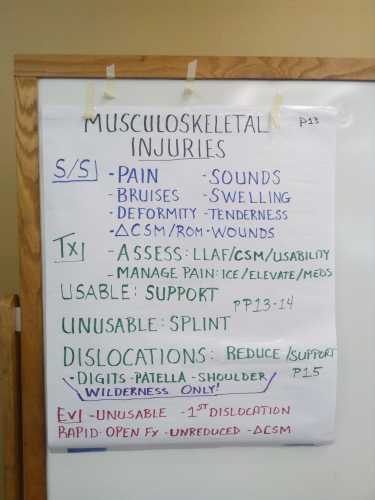
We rehearsed and worked on scenarios in teams of 2 and 3. We picked up people with six-person lifts. We learned how to reduce shoulder dislocations with a cravat and a water bottle. We practiced how to stick ourselves and others with EpiPens. The EpiPen thing came with its own separate certification that allows you to get epinephrine for Good Samaritan use in some states.
I got two main takeaways from the class. The first thing it gives you is confidence. After the two-day course I really feel like I can be useful in a real-world incident. Which was the whole point of me taking the class to begin with. The instructors went out of their way to pepper the instruction with medical terminology that, when used correctly, can make you appear much smarter than you are. If you can appear like someone who knows what is going on, it eases and assures the patient so much and can make probing and pulling on them in order to help them so much easier. The second takeaway, which is at least as important, is the pocket guide.
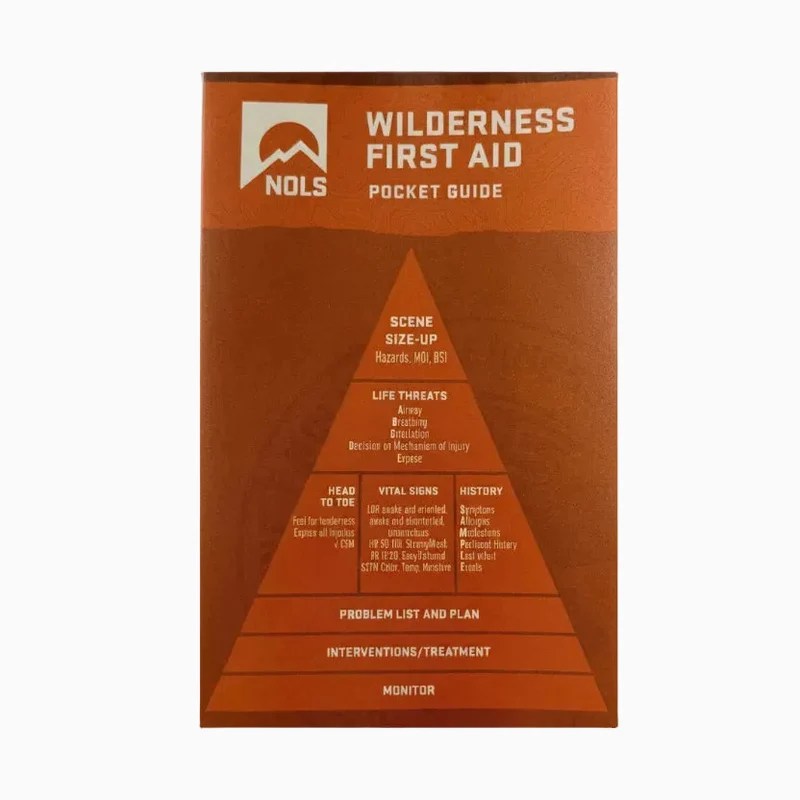
This pocket guide has the signs and symptoms, treatments, and evacuation procedures for almost every situation you will encounter in the field. An immeasurably valuable resource to stick into that first aid pouch. Every skill we went over is perishable, so briefly going over the pocket guide every month or so will keep all of the precious information front of mind.
As far as the administrative side, there was only one snafu. I signed up to be added to the interest list for this class back in May or June. However, once registration opened I never received a text or an email or anything letting me know. I only found out registration was open because I was habitually checking the class website once every week or so.
Other than that, the paperwork was smooth. I received all of the class info (location, times, parking, etc) weeks in advance. We got a packet in the class with course notes in a nice folder. Since the class was hosted at UT there was a specific brief by someone from the university at the beginning of the first day about what to and not to do. After completion, we received our certificates via email in under 24 hours.
The class cost $370, which is an important thing to note because everything costs money and $370 spent on this course means $370 you can’t spend on food or beer or one gallon of gasoline. Does that price seem excessive? Yes. Are the skills I learned and the confidence I built something I can put a price on? No, of course not. I hope I never use anything I learned this weekend, but if I do have to it would be worth $3700 or more.
If you are thinking of this course or something similar I believe it comes down to your financial wherewithal. if you have the disposable income (or can get your job to cover it somehow), please do it. The more people that know this stuff on any trail or campground or isolated area, the better. If you don’t have the disposable income, no judgment here. But please look a little online and try to familiarize yourself with as much as you can. And at least try and bring enough bandages and such to perform self-aid on any small injuries to your own person.

