On the twentieth of June in 2025 Governor Greg Abbott signed Senate Bill 2232 establishing October 21 as Unplug Texas Day. In 2026 we observed the second Unplug Texas Day, when Texans are encouraged to stop doomscrolling and visit their local parks and recreation centers. Conveniently for me, this year the date fell on an off-day between the end of the League Championship Series and the start of the World Series. So I decided to celebrate by planning an overnight trip to McKinney Falls State Park.
Situated only a few miles from the airport and under 15 miles from downtown, McKinney Falls State Park is like a 700 acre oasis surrounded by urban blight. Multiple campsites and cabins are available to reserve every day right from their website, or you could pretend it is 1997 and call them. Although it can get crowded on weekends, during the week I had no trouble reserving a site only a couple of days before my check-in.
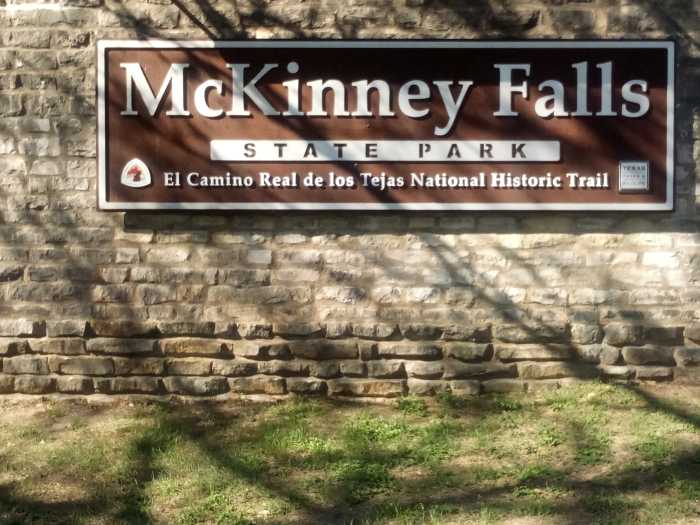
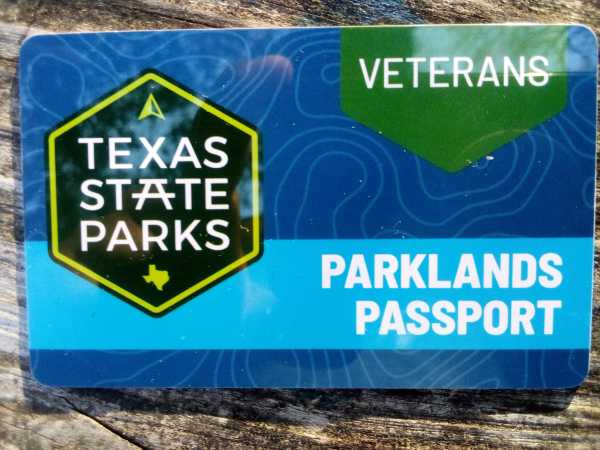
I hiked up to the main gate and they handed me some maps and showed me where my camp was located. A spot with some flat ground, electricity, water, and a picnic table runs $24 a night. And for that price you can have up to eight people and two cars stay there. A great deal in my opinion. A day pass to just hang out in and around the park costs $6. However I didn’t have to pay that because I acquired a free Parklands Passport due to shamelessly cashing in my veteran status.
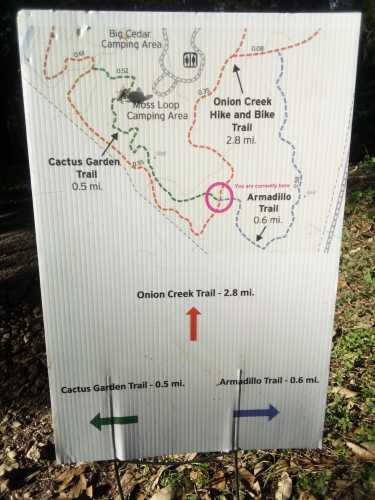
McKinney Falls has a huge tangle of different trails, and I figured I would try a couple of smaller ones before hitting my campsite. Armadillo Trail and Cactus Garden Trail both branch off from the main trail, Onion Creek Trail, and are about a half mile long each.
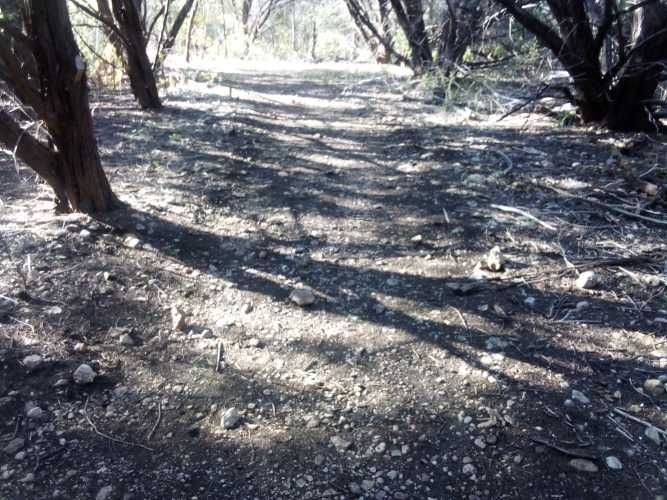
Both trails were unpaved and had loose rocks strewn about, exactly the kind of trail I want to find more often.
I didn’t have to traverse Cactus Garden for long before finding out why it has that name.
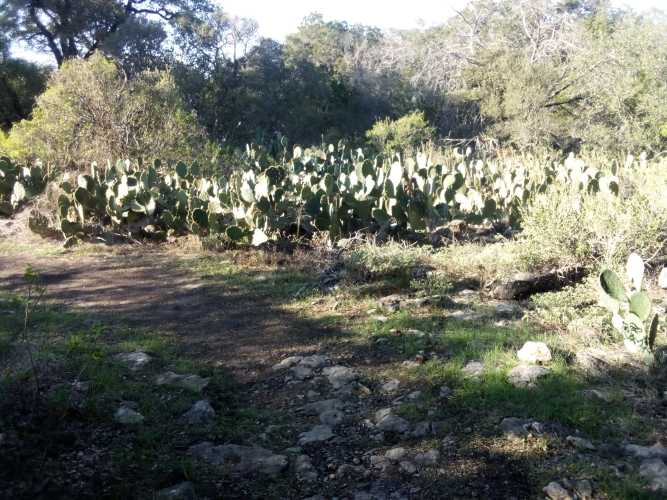
That many prickly pear cactus can lead to an unlimited supply of bloatfly sliders. Sadly, there were no armadillos on Armadillo Trail, before you think to ask.
Onion Creek Trail is the main trail that goes around most of the southern portion of McKinney Falls. It is paved and accommodates bicycles and all that sort of stuff. If McKinney Falls is an organism, Onion Creek Trail would be its aorta.
As nightfall approached I finally made my way to the spot I would be calling home. As promised, it was essentially what I described above. The bare necessities. If you consider electricity a necessity, which might be the case in 2026.
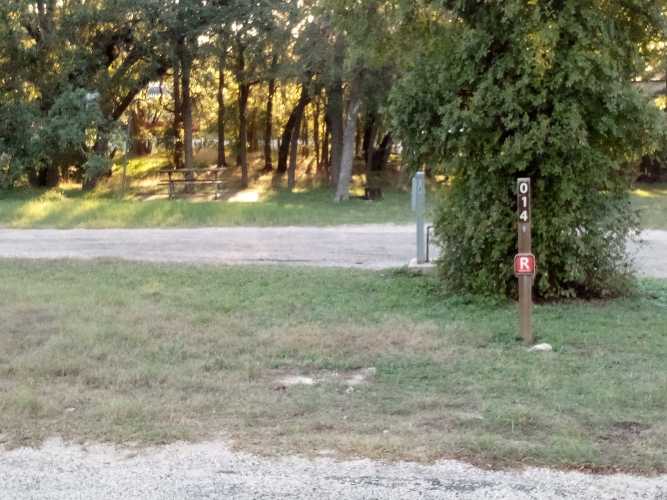
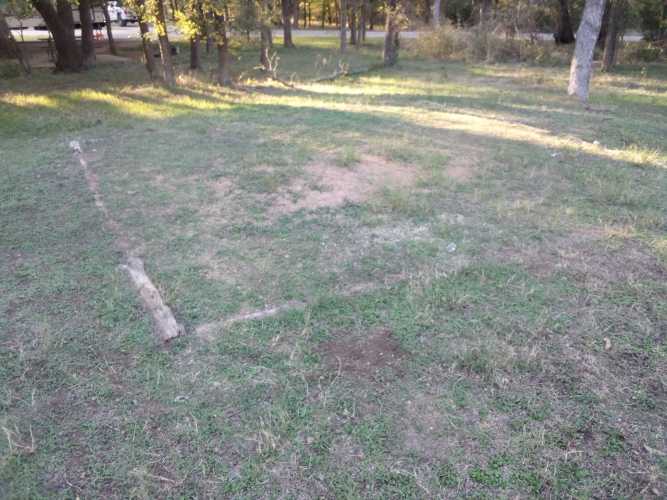
My main reason for coming here in the first place was to stress test my gear, so the first thing I did was get my tent set up. Since it was a clear, cloudless, windless night I decided to forego my rainfly.
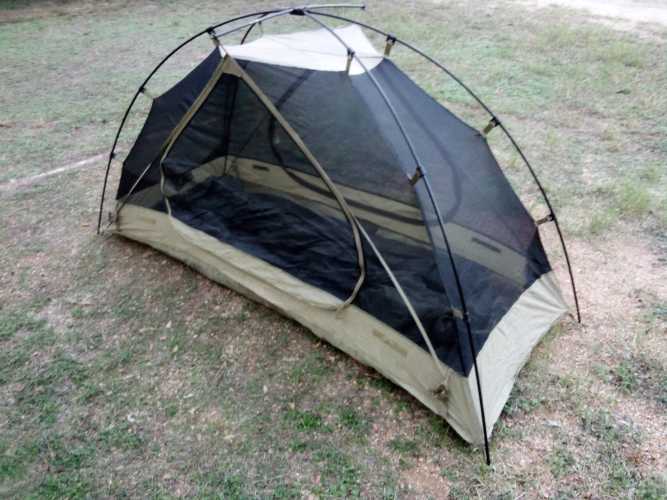
Once I got the tent set up and had some of my humanitarian daily ration, there was nothing left to do but wait for sleepy time. Sitting at my campsite at dusk I was overcome by memories of being a kid and enjoying many an early autumn evening just like this one forty odd years ago. All that was missing was a bunch of fireflies. And my family.
Not setting up my rainfly turned out to be a bad idea. I had left my bulky winter sleeping bag at home and only had my lighter one with me. I didn’t freeze like a meat pop but I definitely felt my toes get noticeably cold during the last few hours before sunrise. It only got down to the mid 50s too, so I need to carry my bulkiest sleeping bag and use my entire tent whenever I go out from now on.
One thing I was worried about was whether or not I needed a sleeping pad. I had not planned on buying one and never needed it. I don’t have or plan to get a pillow either, and the night at McKinney Falls justified that decision as well.
Now seems like as good a time as any to talk about my backpack. I am using a 60 liter pack I bought from Walmart. That makes not bringing my warmest sleeping bag even more annoying, I absolutely had room for it and just left it at home because I’m lazy. This pack is great so far; it fits me well, is adjustable, has tons of pockets, and cost well under $100. I might make a post about it later, it’s that awesome.
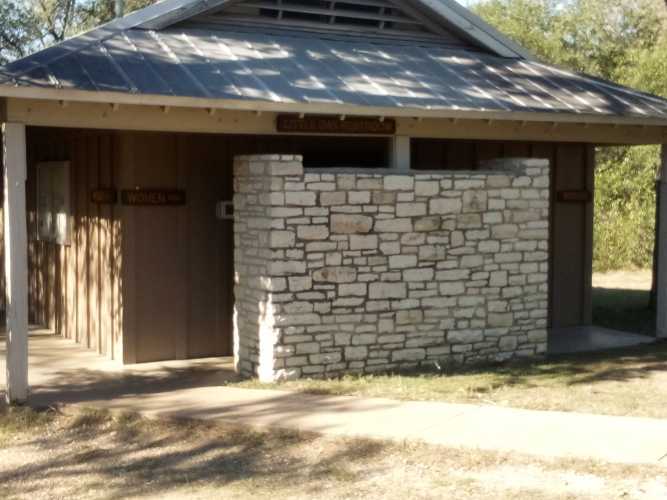
Once I woke up and packed up it was time to head out. I cleaned up a little at the cabin that acted as a shared bathroom for all the different camps in the area. The bathroom was incredibly clean and had more than enough toilet paper. Perfect time for a gallery.


I spent most of the morning meandering around along Onion Creek Trail with no particular purpose. That wound up being a great thing because it led to some pictures of some northern cardinals.
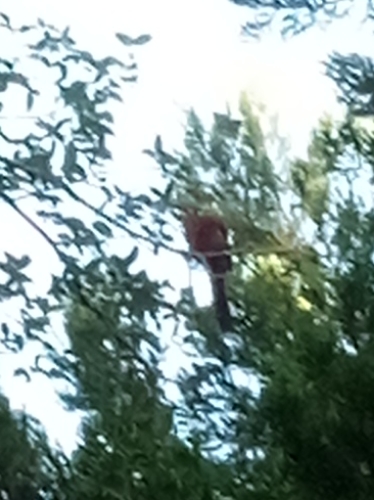
These are obviously not great pictures, but you know to expect that by now. Maybe once winter comes and all the leaves fall from the trees the birds will stop hiding behind them so much. Just trust me, those red patches in the shots above are cardinals.
Now for some facts about northern cardinals. Their scientific name is Cardinalis cardinalis. When an animal has the same genus and species name it is called a tautonym. There are, surprisingly, a lot of animals that are tautonyms. Here is a small sample of some of my favorites:
- Gorilla gorilla (Western gorilla)
- Dives dives (melodious blackbird)
- Iguana iguana (American iguana)
- Anthrax anthrax (bee fly)
- Lactarius lactarius (False trevally)
False trevally is a pretty interesting story. It is a fish that looks like a trevally, but is not actually related to them. It belongs to an entirely different family (Lactariidae) of which it is the only member. And yes, I am aware that whole story has nothing to do with cardinals.
The northern cardinal is the state bird of seven U.S. states, more than any other bird. They are also very defensive, known to attack their own reflection in a window. Maybe that is why so many teams use them as a mascot. Cardinals also love eating sunflower seeds, so you should use them in your feeder. Maybe I need a feeder, maybe then birds wouldn’t actively avoid me while my camera is in my hand.
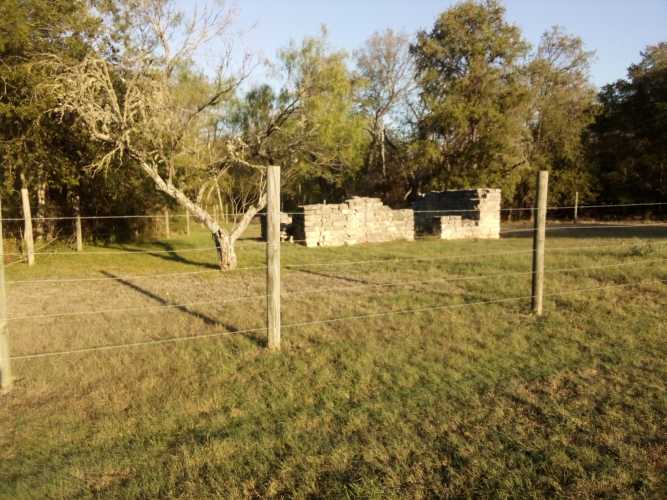
I also saw the remains of this old horse trainer’s cabin. Now is the portion of this post where I regale you with a tiny bit of central Texas history. McKinney Falls is named for Thomas McKinney, who built his homestead there in the mid-nineteenth century. McKinney was a businessman and entrepreneur who helped fund the Texas Revolution in 1835-36. He then became a politician and served in the Texas House of Representatives. He enjoyed raising and riding horses, which explains the horse trainer’s cabin on his property.
McKinney sided with the Confederacy during the Civil War and ultimately got ruined when the South was defeated. He lost his fourteen slaves, which made it way harder for him to raise and train horses. That’s a shame. Anyway, he died in debt and in 1976 his old stomping grounds became a state park.
McKinney’s homestead sat at the confluence of Onion Creek and Williamson Creek. Williamson Creek is named for Robert McAlpin Williamson, who is also the namesake of Williamson County, which sits immediately to the north of Travis County. A noted jurist and politician, Williamson was reportedly the first white man to ever learn to play the banjo. He was also known as “Three-Legged Willie” because of his enormous schlong. Okay, actually it was because he used a prosthetic wooden leg due to a childhood illness. You can see why he got the name if you check out his statue in Georgetown.
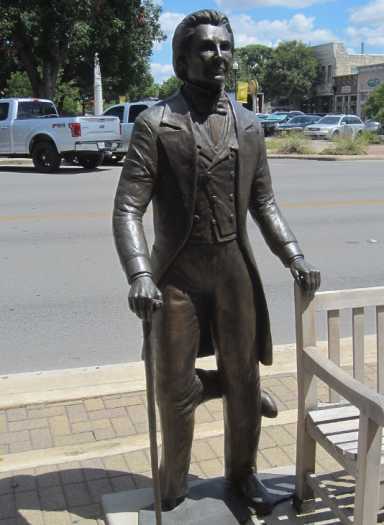
But never let the truth get in the way of a good story. For all we know, he was packing some epically oversized man-meat. Everything is bigger in Texas after all.
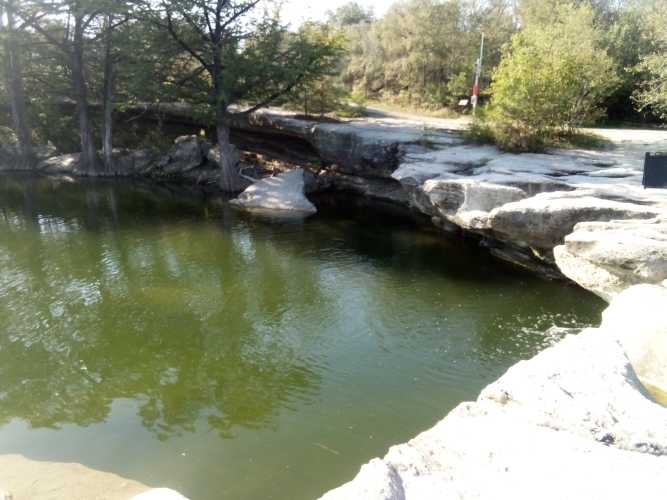
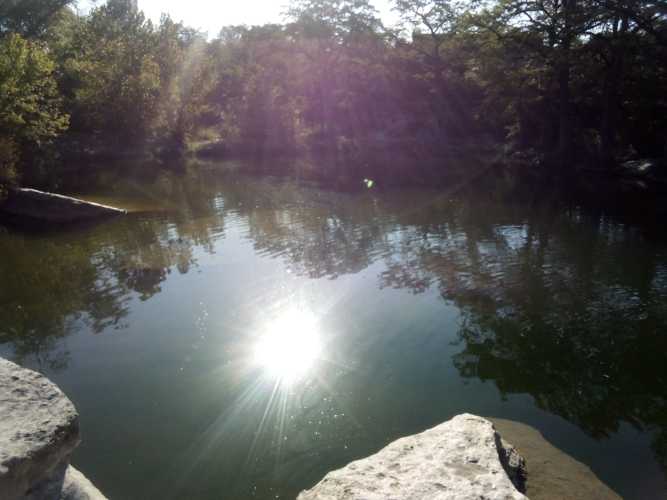
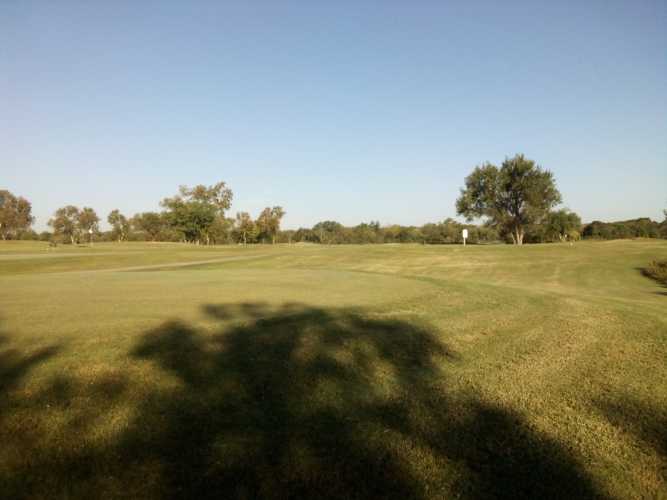
I got some nice shots of the creek as well as a shot of a golf course on the other side of the creek from the park. I probably wasn’t supposed to go onto the golf course, but I am a rebel like that.
Lastly, as I was getting ready to hike out I caught a massive break from the universe. This one bird just decided to plop down on the top of a tree right next to me. Right at the top where no branches or leaves could block it. And it just sat there and let me take picture upon picture of it. This little birdie definitely wins star of the show for the entire trip.
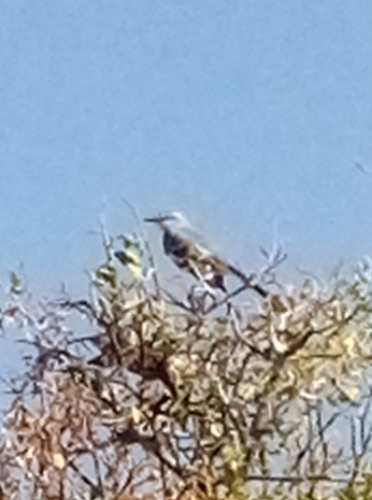
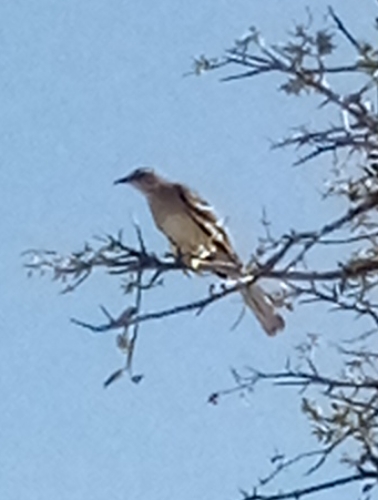
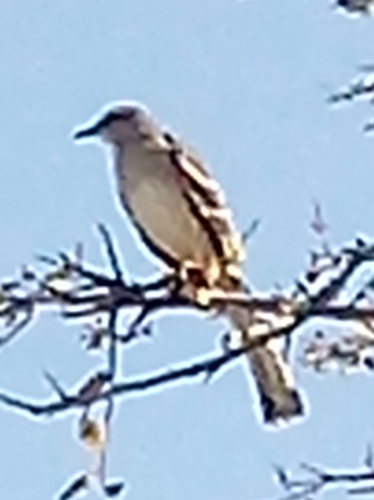
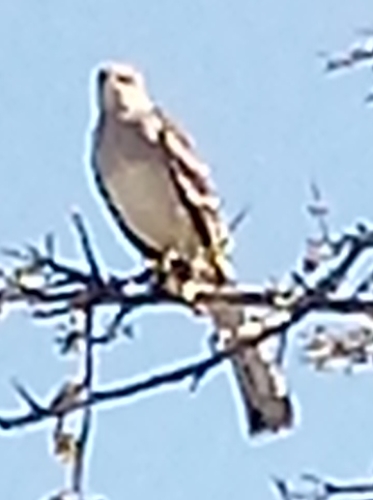
I am not 100% sure, but I’m reasonably comfortable saying this is a northern mockingbird. That is the official state bird of six states, second most in the USA. In addition to mimicking other birds, they can also imitate frogs, toads, and music. As far as diet, they prefer insects and fruit.
I had the good sense to know when I was ahead and quickly leave the park after that. I’m pleased as punch with how all my gear held up over the weekend. Eager to try another overnight in colder conditions or maybe even rain to test my gear, and myself, even more.


Leave a Reply